
Rooftop Solar or Ground-Mounted Solar Which Option Suits Your Business Best

In recent years, the demand for renewable energy has surged, with solar energy taking the lead. Many businesses are turning to solar panel installation to cut energy costs, minimize their carbon footprint, and boost sustainability efforts. However, a key decision in implementing solar energy is whether to choose rooftop solar or ground-mounted solar systems. In this blog post, we will explore the pros and cons of each option to help you decide which one fits your business best.
Understanding Rooftop Solar
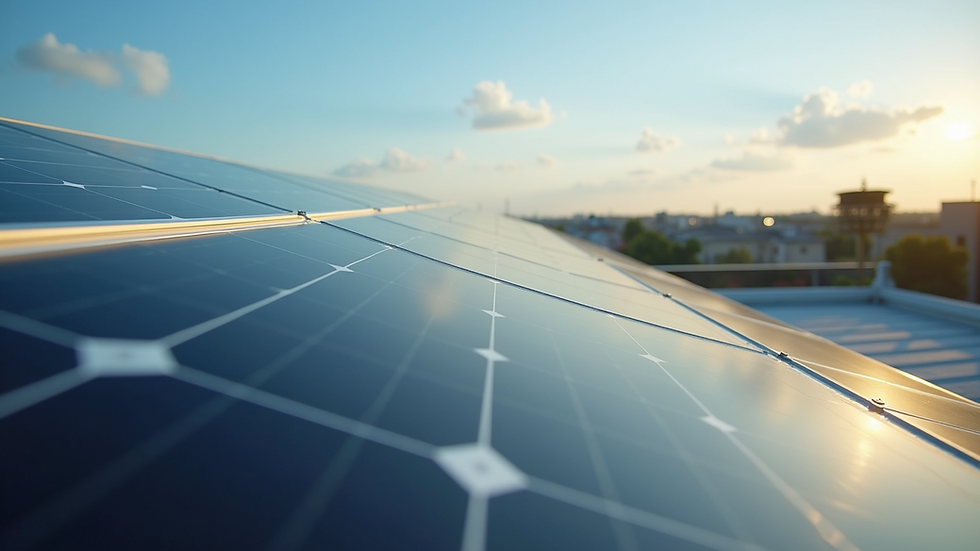
Rooftop solar systems are installed on the roofs of buildings, making use of available space to collect solar energy. This option is especially appealing for businesses with large roofs, allowing efficient energy generation without the need for extra land.
Advantages of Rooftop Solar
Space Efficiency: Rooftop solar systems utilize space that would otherwise go unused. For example, a company with a 10,000-square-foot roof can potentially install a system that generates enough energy to power several homes.
Lower Installation Costs: Typically, rooftop systems cost less to install compared to ground-mounted ones. Businesses can save around 10-20% in costs due to reduced labor and material expenses.
Aesthetic Appeal: Many businesses prefer rooftop solar because it maintains the landscape's natural look without adding visual clutter to the outdoor space. For example, a downtown office building can install solar panels on its roof, avoiding any alteration to the street level.
Reduced Land Use: By utilizing existing roofs, rooftop solar does not compete with agricultural land. This preserves valuable ecosystems that might otherwise be impacted by ground-mounted systems.
Easier Permitting: Rooftop installations often face fewer regulatory hurdles. For instance, many cities have streamlined processes for rooftop solar that can expedite approval times.
Disadvantages of Rooftop Solar
Limited Capacity: Energy generation depends on the roof size. A smaller roof can translate to less energy. If you only have a roof that can support a 20 kW system, that might not meet growing energy demands.
Structural Concerns: Not all roofs can accommodate solar panels. Businesses must assess if their roofs can support the weight of the panels and whether installation is feasible.
Maintenance Challenges: Accessing rooftop systems for maintenance can be tricky and may require ladders or lifts. For example, if a panel malfunctions, it may take time and effort to address the issue safely.
Shading Issues: Trees or nearby buildings can create shadows, diminishing efficiency. A research study found that even a small shadow can reduce panel output by up to 20%.
Exploring Ground-Mounted Solar
Ground-mounted solar systems are installed directly onto the ground, usually in open fields or on large plots of land. This option is ideal for businesses that own substantial open land.
Advantages of Ground-Mounted Solar
Higher Energy Production: Ground-mounted systems generally have larger footprints. For instance, a ground-mounted array can produce 40-50% more energy than a rooftop system of the same investment.
Flexible Sizing: Businesses can customize ground-mounted systems according to their energy needs. If you project increased energy demand, it is easier to scale up and add more panels.
Easier Maintenance: Because ground-mounted systems are more accessible, maintenance can be done quickly. This can keep the system running efficiently and economically over time.
Better Orientation: Ground-mounted systems can be oriented optimally towards the sun, ensuring maximum energy production throughout the day.
No Structural Concerns: There's no need to worry about the integrity of a roof. This makes ground-mounted systems suitable for various businesses, even those with older buildings.
Disadvantages of Ground-Mounted Solar
Land Requirements: Ground-mounted systems require significant land. This can be a challenge for businesses in busy urban areas where open land is limited.
Higher Installation Costs: Ground-mounted systems can be costlier to install due to the required infrastructure. On average, businesses can expect to spend around 15-30% more than they would on rooftop systems.
Visual Impact: Ground-mounted systems can significantly change the landscape. This may deter businesses that prioritize aesthetics or have a customer-facing outdoor space.
Regulatory Hurdles: Ground-mounted installations often have stricter zoning requirements. This can lead to longer delays in project approval.
Key Considerations for Your Business
When deciding between rooftop and ground-mounted solar systems, take the following factors into consideration:
1. Available Space
Assess how much space is available for solar installation. If you have a large roof that's in good condition, a rooftop system may be ideal. But if you possess several acres of land, ground-mounted systems likely offer greater energy potential.
2. Energy Needs
Think about your current and future energy consumption. If your business plans to expand and anticipates growing energy needs, ground-mounted systems can offer the scalability required.
3. Budget
Evaluate your budget for installation. Rooftop systems typically have lower upfront costs, but ground-mounted systems may lead to better long-term savings. Consider available rebates and incentives when weighing your options.
4. Aesthetic Preferences
Reflect on how each type of installation will affect your company's image. Rooftop systems usually blend seamlessly with existing structures, whereas ground-mounted systems can be more visually problematic.
5. Local Regulations
Investigate local zoning laws and permitting requirements specific to both types of installations. Knowing the regulations ahead of time can prevent frustrating delays during the installation process.
Making Your Solar Choice
Deciding between rooftop solar and ground-mounted solar systems is a vital choice for businesses considering solar panel installation. Each option presents unique benefits and challenges, and the right choice will depend on factors like available space, energy needs, budget, design preferences, and local regulations.
By thoroughly evaluating these aspects, you can make an informed decision that aligns with your business goals and sustainability targets. Whether you select rooftop solar or ground-mounted solar, investing in solar energy is a significant step toward a more environmentally friendly future.

In conclusion, both rooftop and ground-mounted solar systems provide viable options for harnessing solar energy. As the demand for renewable energy grows, businesses investing in solar solutions can look forward to reduced energy costs and contributing to a cleaner planet.


Comments